Writers Guild of America Reaches Four-Year Tentative Agreement with Studios
According to CinemaDrame News Agency, the tentative agreement, reached after less than a month of negotiations, includes enhancements to health and retirement plans as well as protections against the use of writers’ work for AI training.
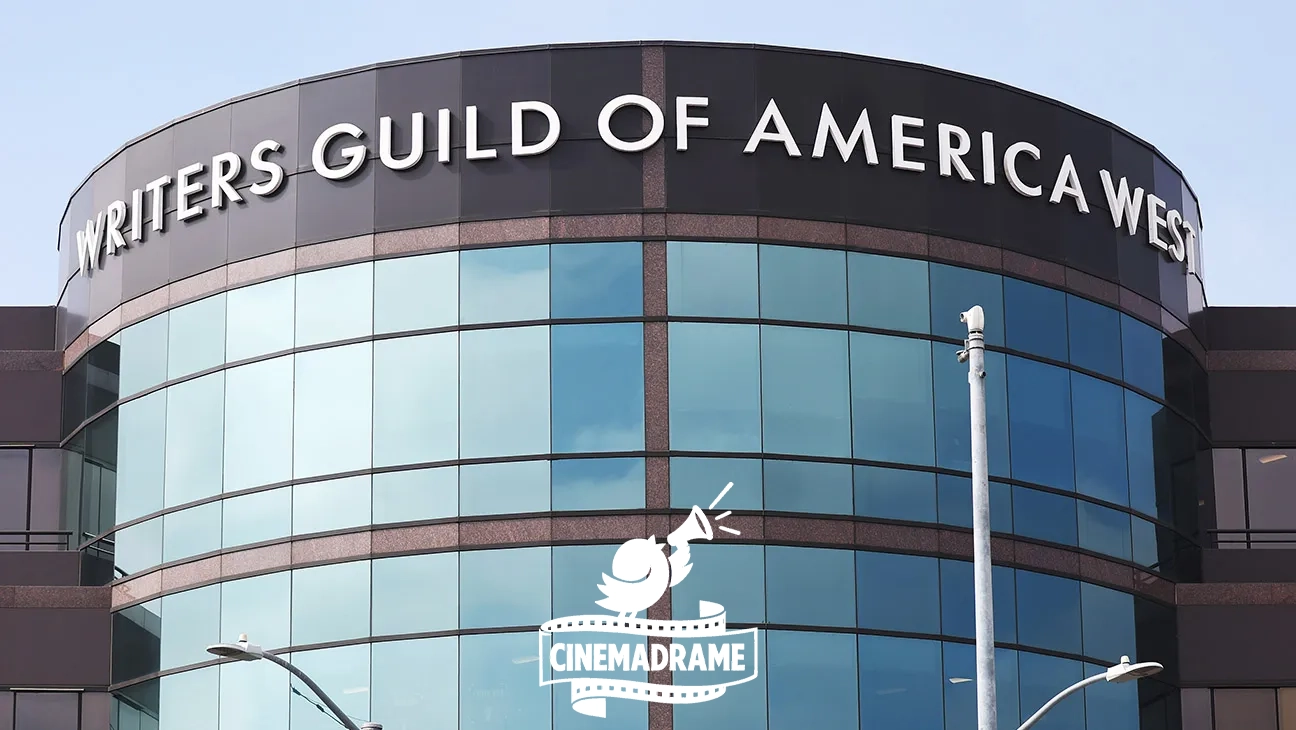
The Writers Guild of America (WGA) has reached a four-year tentative agreement with the Alliance of Motion Picture and Television Producers (AMPTP), representing studios and streaming services, the guild has reported.
On Saturday, Matt Bloyney, founding partner at P.A.C.K., reported on the agreement, noting that the contract is one year longer than the guild’s usual three-year agreements and includes “enhanced health and retirement plans, increased pay for on-demand video services, and protections for overseeing licensing in AI training.” Sources close to the negotiations confirmed these details.
The tentative agreement still requires a vote by members for final approval.
If approved, the contract will be notable for its relatively long duration. Three-year contracts have traditionally been common in Hollywood unions since the 1940s, as Kate Fortmuller, a professor at Georgia State University, previously told The Hollywood Reporter. However, the AMPTP sought a longer-term agreement to create greater workforce stability following the dual Hollywood strikes in 2023, as previously reported.
The guild may have welcomed the idea, given its urgent need to bolster its health fund, which is jointly administered by the union and studios. According to prior reports, the WGA health fund saw a total reduction of $122 million in 2023 and 2024, due to rising healthcare costs and decreased employment opportunities in the industry.
The guild also focused on establishing legal protections regarding the use of generative AI, particularly in regulating whether AI tools can be trained using members’ screenplays or requiring licenses for using scripts for AI training. John August, co-chair of the negotiating committee, told The Hollywood Reporter before negotiations began: “One of the goals of these negotiations is to make clear that if our employers use material written by guild members to produce AI outputs, they must compensate us.”
Additionally, the WGA sought to increase members’ earnings by raising minimum wages, boosting minimum pay for “first page” rewrites, providing residual payments for streaming service use, and revising writer rates for post-production work as well as for comedy, variety, game, and audience-driven programming.
This agreement follows negotiations by the Screen Actors Guild–American Federation of Television and Radio Artists (SAG-AFTRA) with the AMPTP. SAG-AFTRA began its negotiations on February 9 but announced on March 15, following the Oscars, that it had not reached a new agreement with the studios. SAG-AFTRA negotiations are expected to resume later in the spring, ahead of the contract’s June 30 expiration.
The agreement comes as WGA West staffers continue their strike, with striking employees losing their health coverage last week.
The 2026 WGA negotiations marked the first time since the 2023 strike that guild negotiators met with AMPTP member companies, including Netflix, Universal, and Warner Bros. During the 148-day WGA strike, SAG-AFTRA also walked out, marking the first simultaneous strike by both unions in over 60 years.
This year’s negotiation environment has been significantly calmer due to reduced industry activity affecting Hollywood writers. According to the guild’s own data, employment for writers fell 9.4 percent in 2024 compared to 2023, the strike year, and declined 24.3 percent relative to 2022.
Ellen Stutzman, executive director and WGA West head negotiator, led talks alongside John August and Daniel Sanchez-Witzel, co-chairs of the negotiating committee. Hissinger led negotiations on behalf of AMPTP member companies.